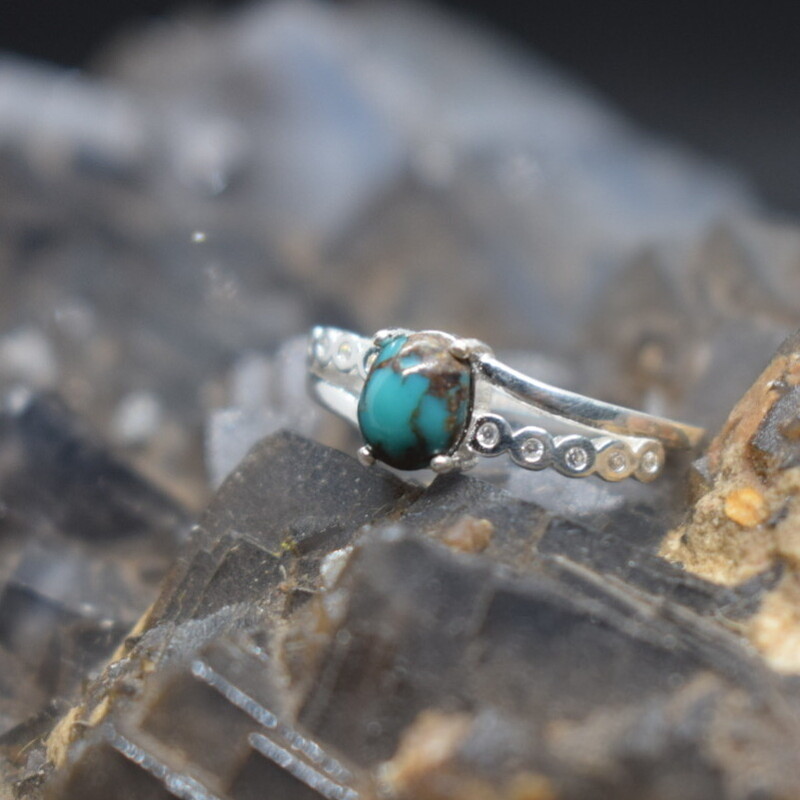
Turquoise | Feroza Ring
$11
Complimentary insured shipping
Old mine Nishapuri feroza Ring size:13mm R ing material:925 silver treatment: none
This piece has found its home. Ask us and we will source a similar stone for you.
- Natural, as described
- Insured, tracked delivery
- Return policy
- Treatment
- None
- Ring size
- 13mm
- Reference
- 5990
About this piece
Turquoise | Feroza Ring: Introducing the exquisite Turquoise | Feroza Ring , a marvel of nature’s beauty and craftsmanship. Its stunning blue-green hue and rich cultural significance spanning centuries have renowned this captivating gemstone. As you delve into the realm of Turquoise | Feroza Ring you’ll uncover a world of elegance and mystique. Key features of our turquoise collection Vibrant Color: Each piece of turquoise showcases a unique blend of azure blue, green, and sometimes hints of yellow or brown, offering a one-of-a-kind aesthetic. Natural Patterns: We celebrate the distinctive veining and matrix patterns of the gemstone . Which can range from delicate spiderweb lines to bold, dramatic streak Historical Significance: Used by ancient civilizations such as the Egyptians, Persians, and Native Americans. Turquoise has a rich history and cultural importance, often believed to possess protective and healing properties. Durability: With a hardness of 5-6 on the Mohs scale. Turquoise is durable enough for everyday wear while still requiring gentle care to maintain its luster. Versatility: Available in various cuts and shapes. Jewelry makers fashion turquoise into rings, necklaces, earrings, bracelets, and more, including cabochons, beads, and freeform pieces. Turquoise: Turquoise is an opaque, blue-to-green mineral that is a hydrous phosphate of copper and aluminium . With the chemical formula CuAl 6 (PO 4 ) 4 (OH) 8 ·4H 2 O . People prize it as a gemstone for its hue, and its rarity and value in finer grades have made it highly sought after for millennia. However, despite these challenges, turquoise remains a highly sought-after gemstone. In fact, its unique color and history continue to make it a popular choice among jewelry enthusiasts. Additionally, the demand for natural, untreated turquoise is steadily increasing, highlighting the enduring appeal of this beautiful gem The word turquoise dates to the 17th century. Additionally, it derives from the Old French turquois, meaning “Turkish,” because merchants first brought the mineral to Europe through the Ottoman Empire. However, according to Etymonline, the word dates to the 14th century with the form turkeis, meaning “Turkish.”. In the 1560s, French replaced it with turquoise. According to the same source, the gemstone was first brought to Europe from Turkestan or another Turkic territory. Pliny the Elder referred to the mineral as callais (from Ancient Greek κάλαϊς ) and the Aztecs knew it as chalchihuitl .
You may also admire
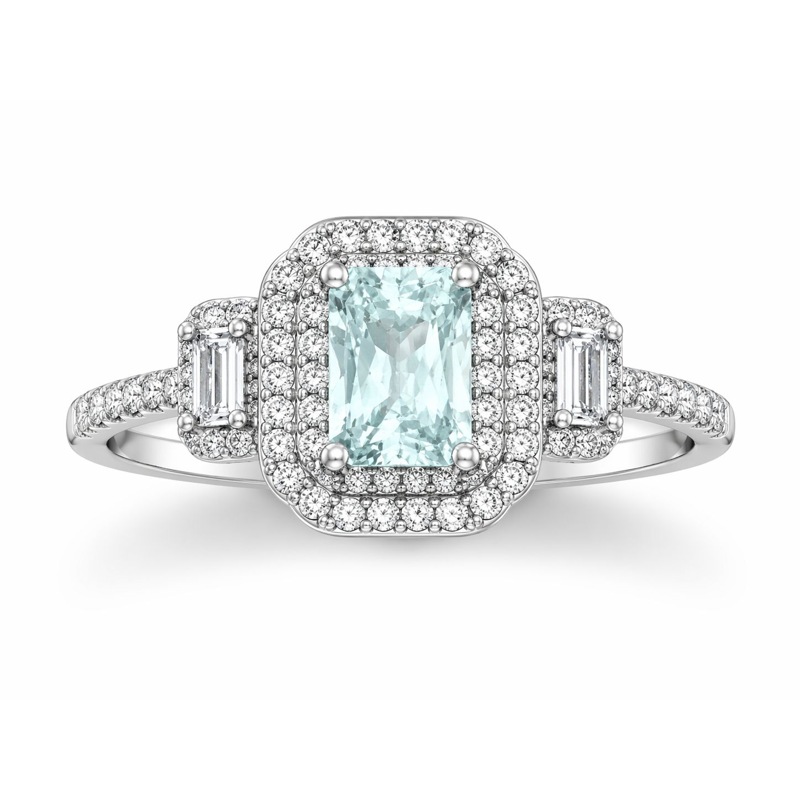
Ring
Natural Aquamarine Ring for Women
1 ct · (Skardu) Pakistan
$54
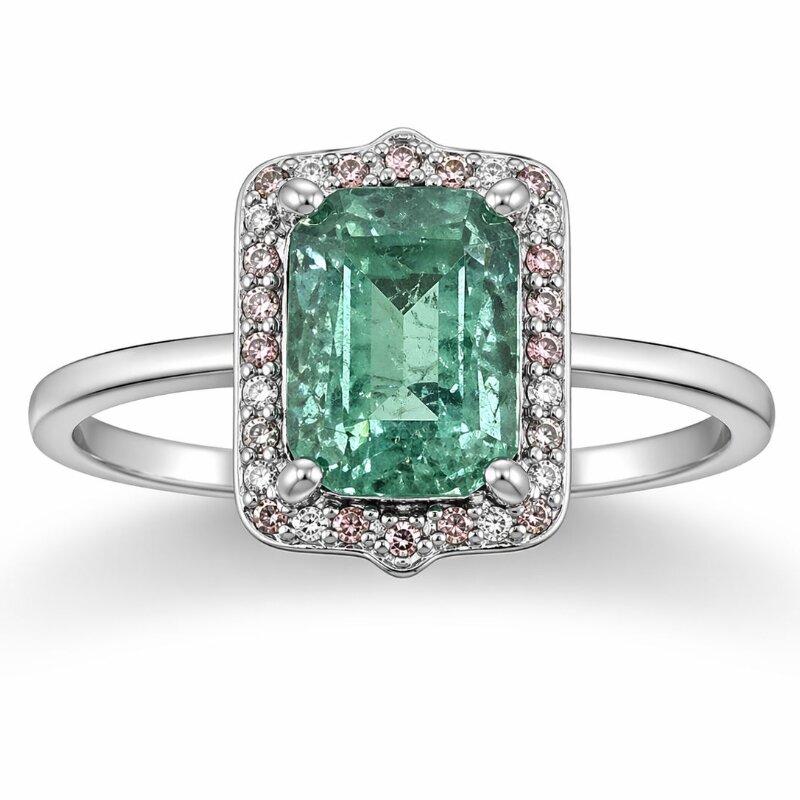
Ring
Natural Green Tourmaline Ring for Woman
1.5 ct · Afghanistan
$43
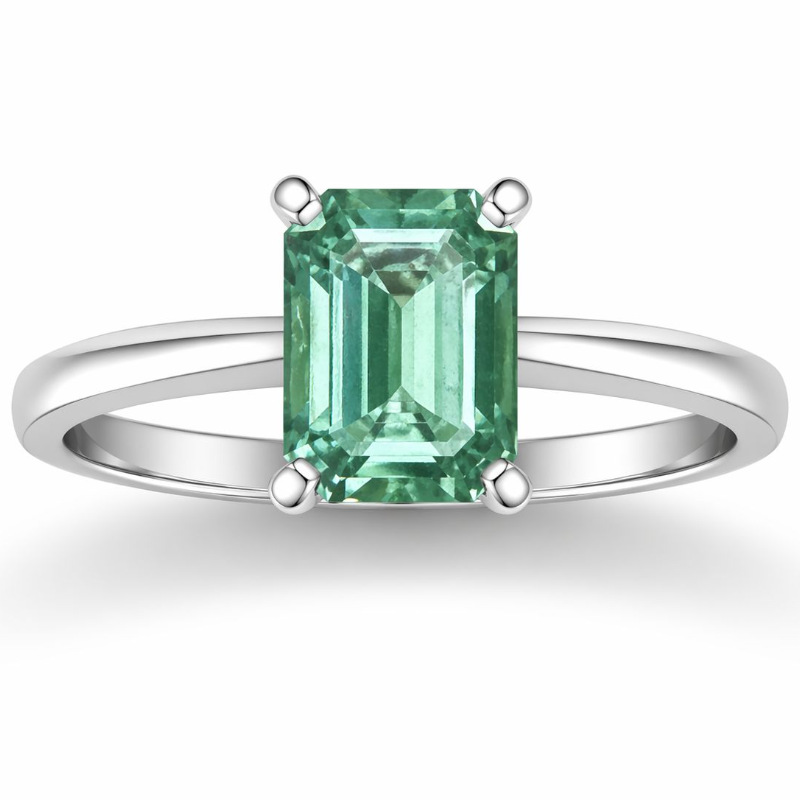
Ring
Natural Green Tourmaline Ring for Woman
1 ct · Afghanistan
$29
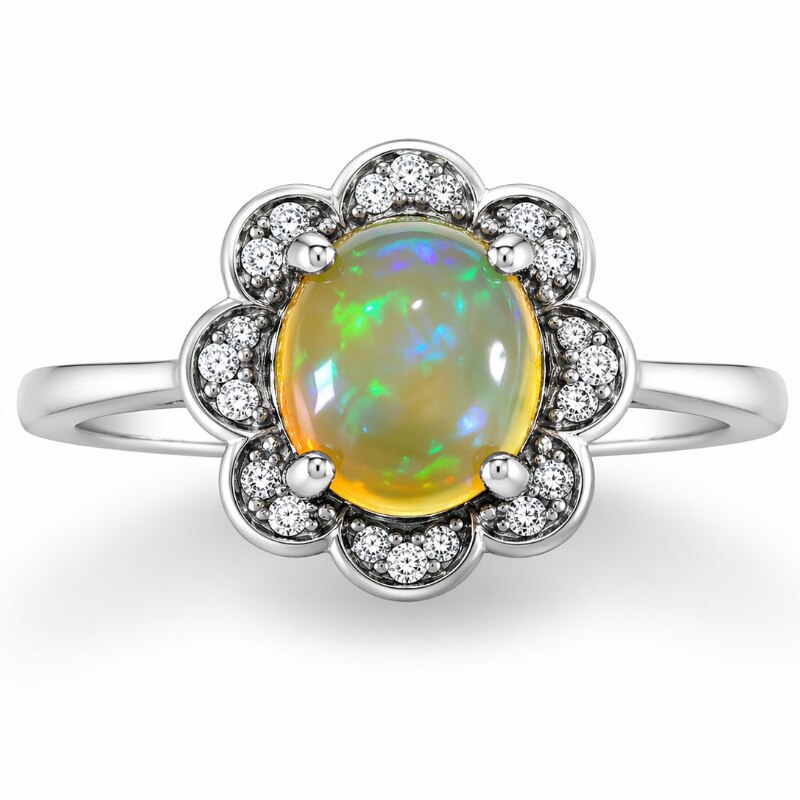
Ring
Natural Opal Silver Ring for Women
1 ct · Ethiopia
$45